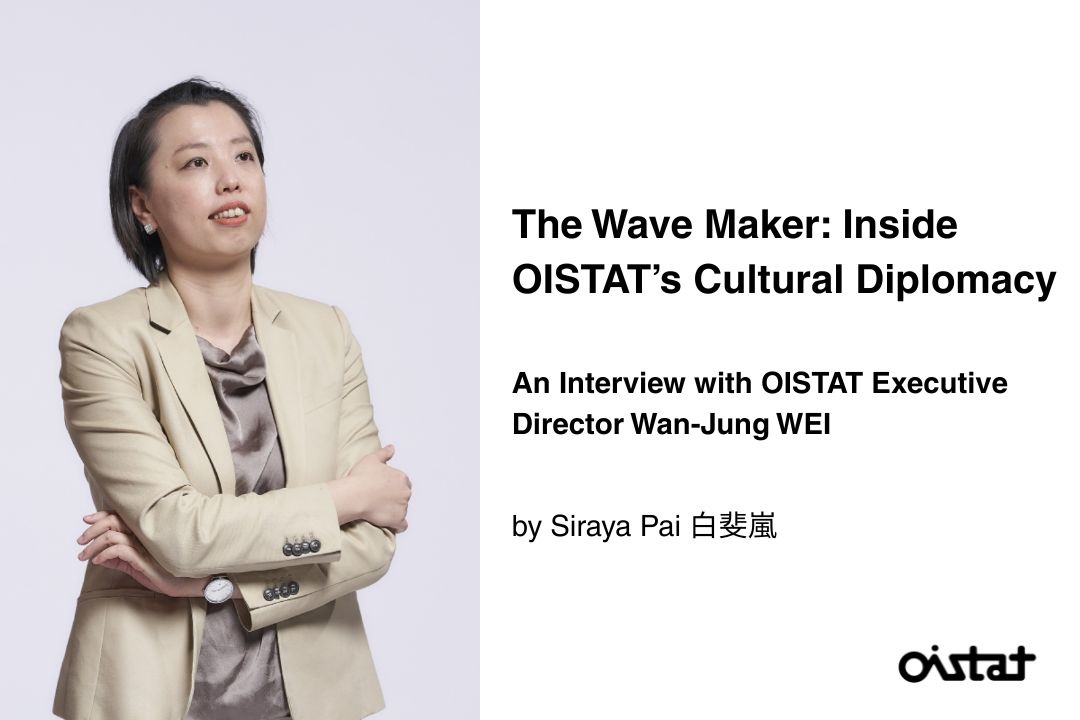
After decades of being excluded from the international stage, it is difficult for the Taiwanese public to conceptualize an international organization headquartered in Taiwan. This reality is reflected not only in casual conversations but also at the legal and administrative levels.
When Taiwan Became Home to Its First International Organization Headquarters
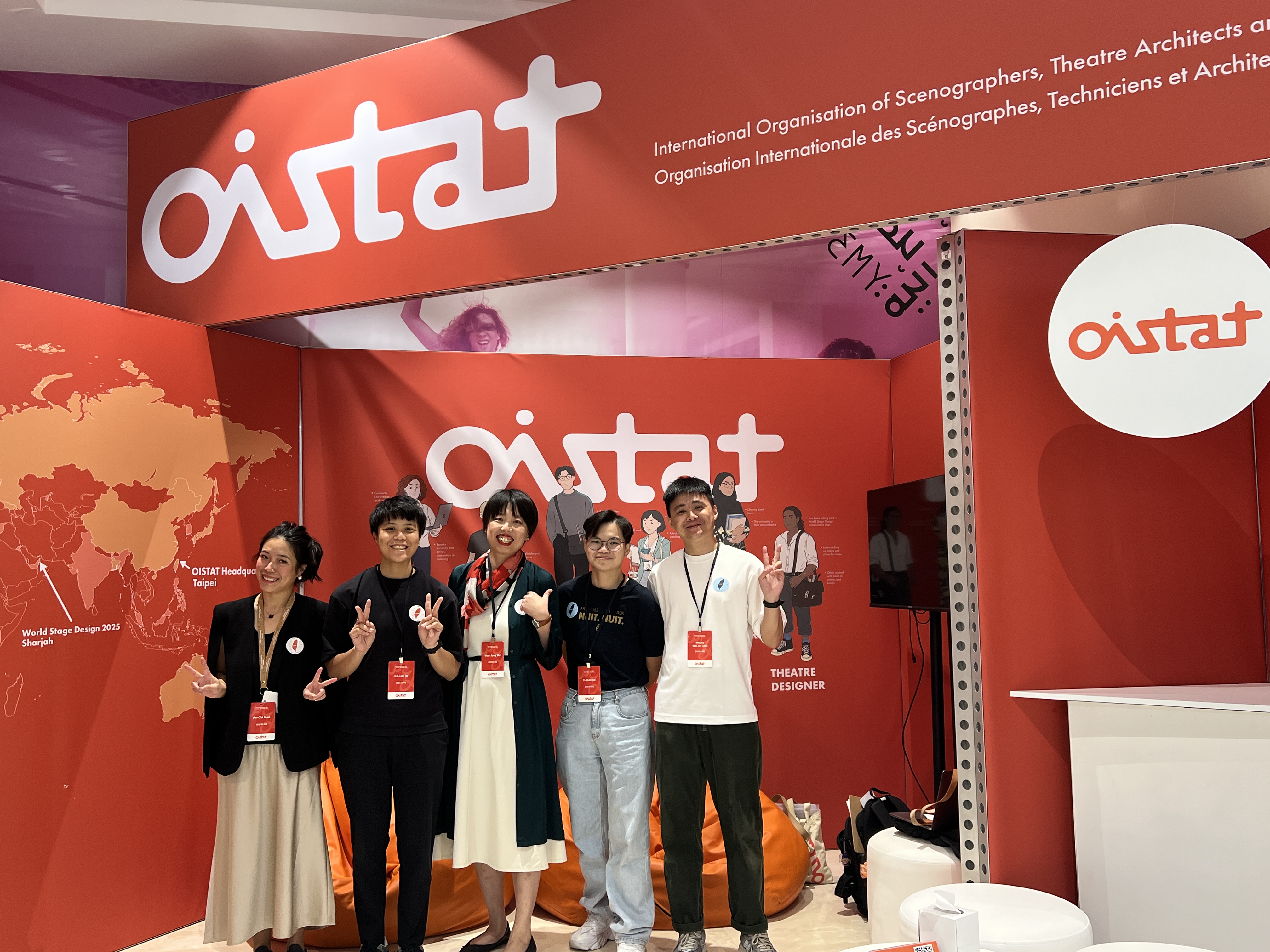
Even though there was no applicable regulation for hosting international organization’s headquarters in Taiwan, OISTAT (International Organisation of Scenographers, Theatre Architects and Technician) managed to find a way. In 2006, OISTAT moved its administrative office from the Netherlands to Taiwan. The office has stayed for twenty years since, developing from a secretariat into the headquarters. The current executive director, Wan-Jung WEI, recalled: “Without any precedent in Taiwan, and the then Secretariat found no applicable regulation to begin with, including how to register with the government.”
She further explained that Taiwan’s regulations for international organizations at that time were mainly designed for two scenarios: either a foreign branch setting up in Taiwan, or Taiwanese citizens starting a brand-new international organization. Therefore, “for an international organization founded in Europe like OISTAT, it was impossible to fit in any existing legal category,” says Wei. “The pioneering Taiwanese designers and technicians tried every possible avenue, and the secretariat was finally permitted as a special case.” Through these continuous negotiations and navigations, OISTAT headquarters rooted itself in Taiwan while simultaneously improving its regulatory framework to integrate globally.
All of this historical groundwork happened before Wei joined OISTAT. Growing up with a passion for both dance and diplomacy, she was always “kindly warned” by others that she could not have both. After graduating with a degree in International Politics, she planned to study abroad but could not decide between performance studies and arts management, until the Master’s Program in Arts Politics at NYU Tisch School of the Arts caught her attention. In 2011, she joined OISTAT, embarking on a journey in cultural diplomacy that has spanned over 15 years. From an entry-level position to executive leadership, she witnessed how the OISTAT headquarters took root, grew, flourished, and confronted new challenges during the pandemic.
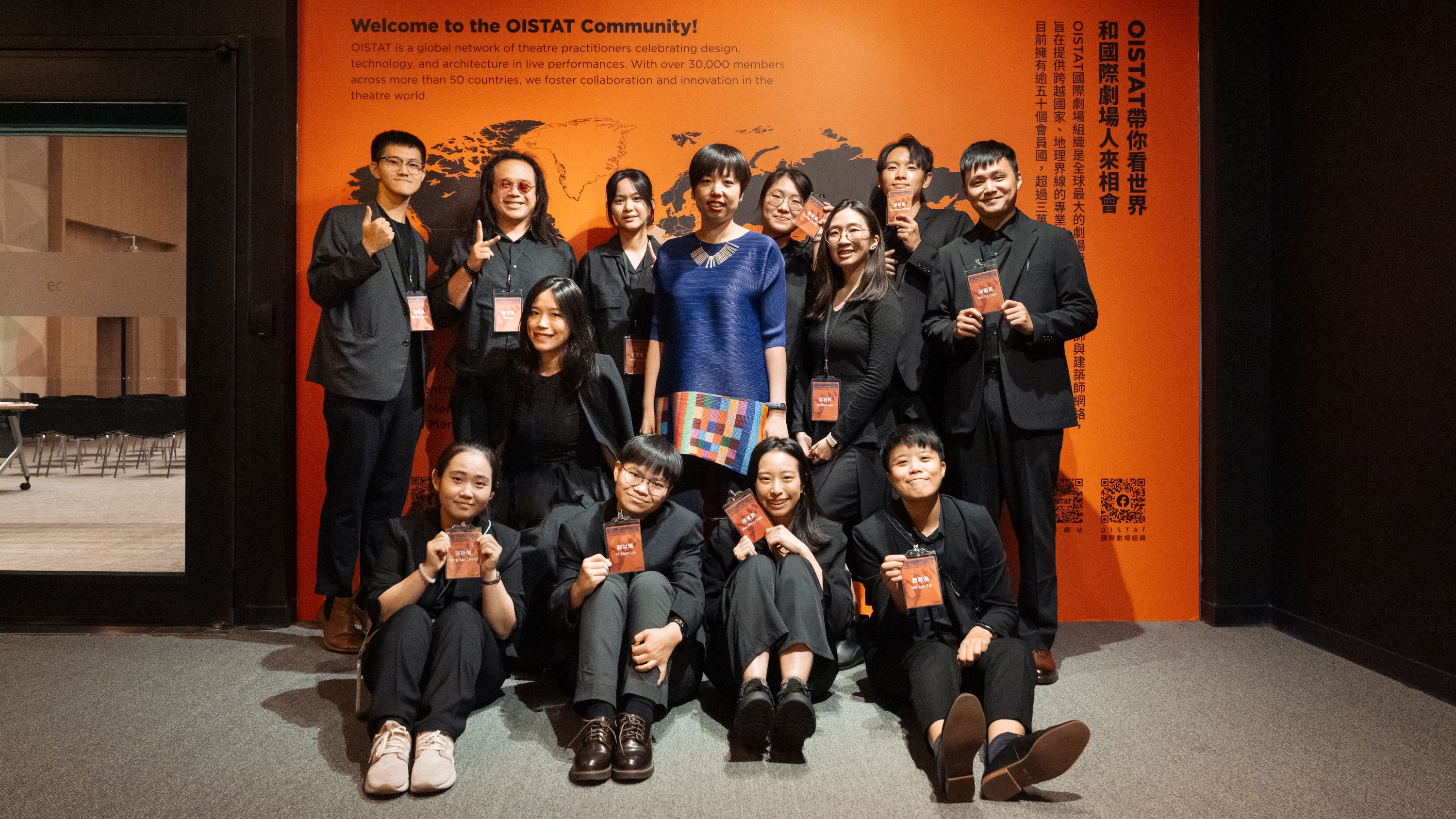
Wei has always interested in “how policies and regulatory framework quietly contribute to a profound and enduring impact.” Over her 15 years at the OISTAT headquarters, she has experienced this developmental journey alongside the administrative team from the various roles she has held. She pointed out its several pivotal stages, including the initial “Transplantation Stage” during the first five years, “Thriving Stage” from 2012 to 2018, the “Reflection and Reset Stage” during the pandemic between 2019 and 2021, and the “Blooming Stage” between 2022-2025. Once the administrative foundation stabilized in those early years, each subsequent phase has continuously deepened the OISTAT headquarters’ local and global connections.
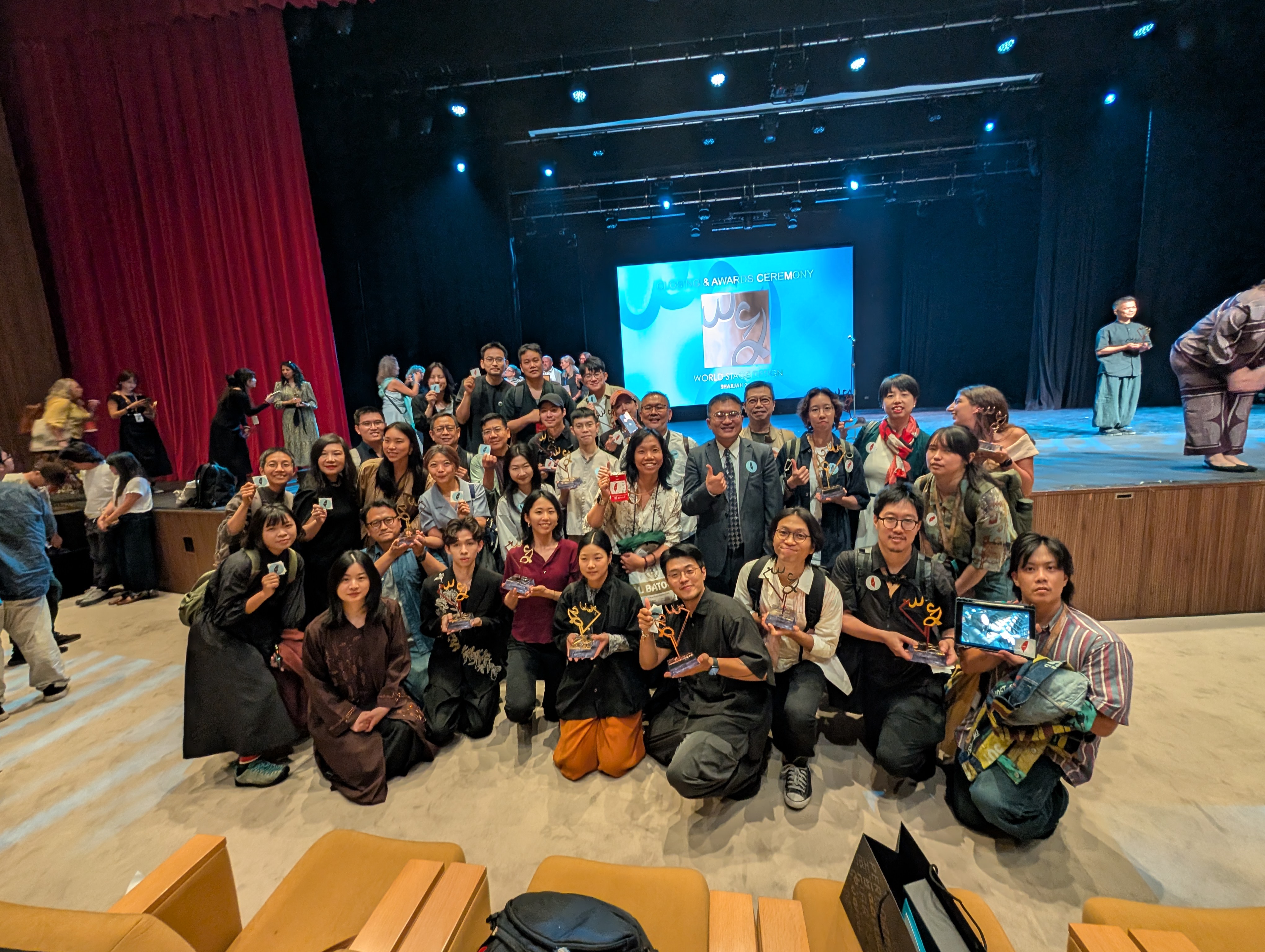
According to Wei, ever since the 2013 World Stage Design (WSD) in Cardiff—and through subsequent editions in Taipei, Calgary, and Sharjah—this quadrennial celebration of theatre design and technology has inspired a growing number of Taiwanese designers and technicians to actively engage on the international stage. When Taiwan Association of Theatre Technology (TATT) and Taipei National University of the Arts (TNUA) collaborated to bid for the 2017 WSD, they successfully secured the support of the global theatre community. Meanwhile, as the National Kaohsiung Center for the Arts (Weiwuying) and the National Taichung Theater started their preparation offices ahead of their official inaugurations, the OISTAT headquarters also helped to introduce foreign experts and co-organize international forums concerning the venues’ future administration, technical operation, and programming.
To Build a Deeper International Network
Since OISTAT relocated its headquarters to Taiwan, the office has been led by three successive executive directors whose backgrounds perfectly mirror the organization's development trajectory: Wei-Wen Chang from theatre design, Kathy Hong from arts management, and Wei from Cultural Diplomacy. The early efforts to bring the OISTAT headquarters to Taiwan and find solutions to the regulatory vacuums heavily relied on pioneering Taiwanese designers and technicians who paved the way. As the headquarters grew and evolved, it demanded structural stability through professional arts management. Today, amid a constantly shifting global landscape, marked by both the pandemic and heightened geopolitics, it became an urgent strategic issue for the organization of theatre artists to expand its potential.
Wei first served as general manager in 2015 before becoming executive director in 2017, and her two primary missions were “to reform the organizational structure by improving communication efficiency and the reporting system” and “to reflect on the responsibilities and potential of an international organization during the global pandemic.” Take the latter as an example: when physical gatherings became impossible during the pandemic, theatre performances, education, networking, and meetings went online as an alternative approach. “Although the pandemic hit every country to varying degrees, we soon noticed a critical demand for international networking, which became increasingly vital in that isolated situation,” says Wei.
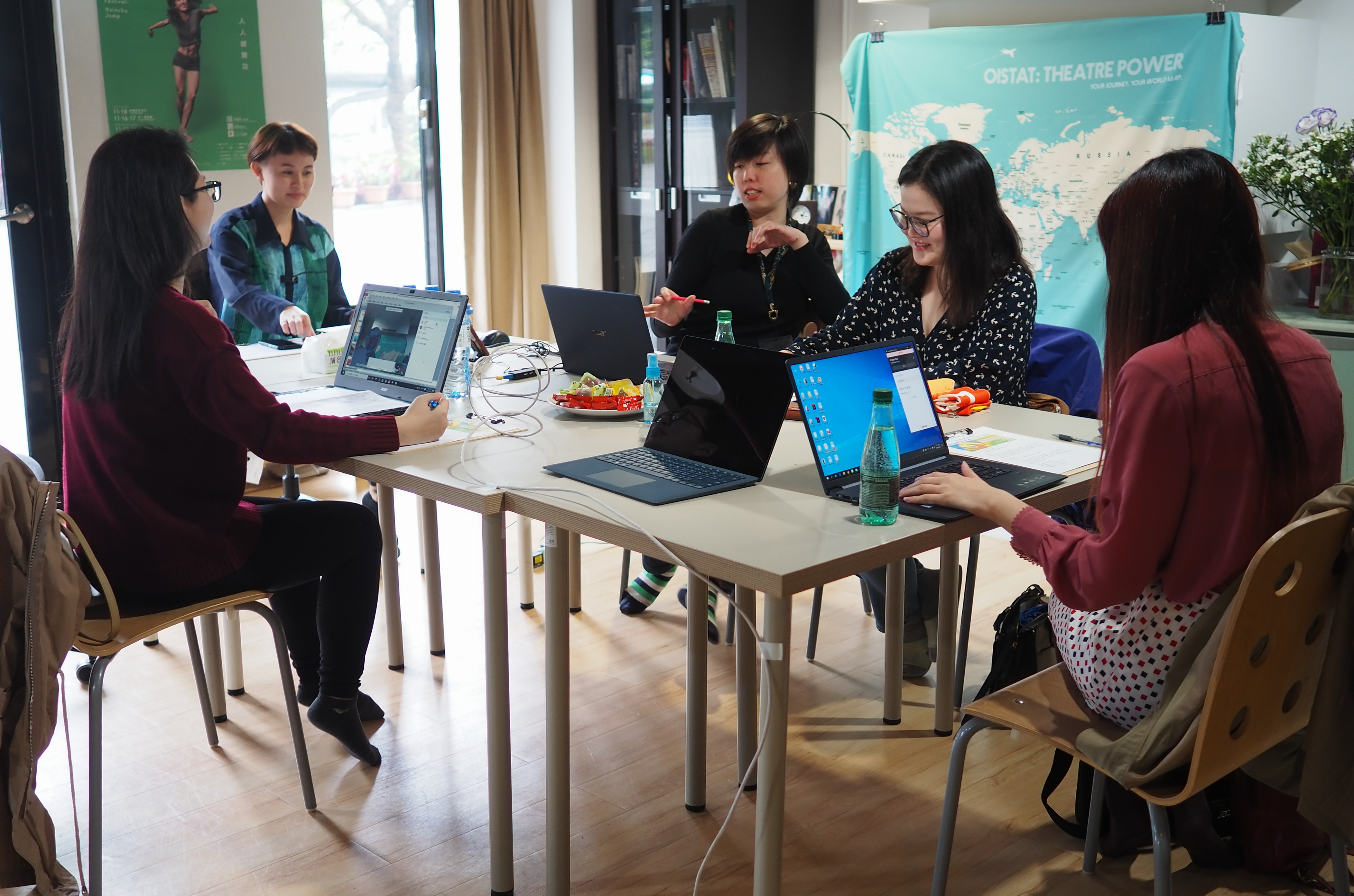
International networking used to center around occasions for representatives of each country to share their respective experiences. During the pandemic, however, there were specific problems confronting everyone simultaneously, such as “How can we teach theatre or even lighting design online? ” and “what should we do if our students have very limited online resources?” In response, OISTAT launched “Education Week,” bringing theatre professionals from different countries together to collectively find solutions. Originally planned as a one-week project, “Education Week” was extended to a full month due to the surging participation and deep engagement. This experience led Wei to further reflect on how OISTAT could “deepen its impact beyond singular projects or events.”
From Its Marginalized Position, Taiwan Provides a Balancing Voice
Surprisingly, Taiwan’s complex political reality of being marginalized on the international stage has, in Wei’s view, transformed into a distinct advantage of the OISTAT headquarters operated by a Taiwanese team. Apart from the geographical affinity, where the physical presence of the headquarters in Taiwan fosters vital links between domestic and international theatre scenes, Wei also observed that “having frequently occupied the margins ourselves, we will pay more attention to the omitted voices and overlooked viewpoints in meetings and agenda-setting.” She further explained this paradoxical advantage: “Taiwanese people tend to be more geopolitically sensitive than other representatives; moreover, because we are not one of the great powers, who now dominate many international organizations, we thus provide an alternative voice as a balance.” In fact, they have even influenced non-Taiwanese colleagues to carry this important awareness of minor voices back to their own societies. “Once you noticed that you were no longer the first one in the meeting to provide that balancing voice and point out what was overlooked, you know you had done it right,” said Wei with a proud smile.
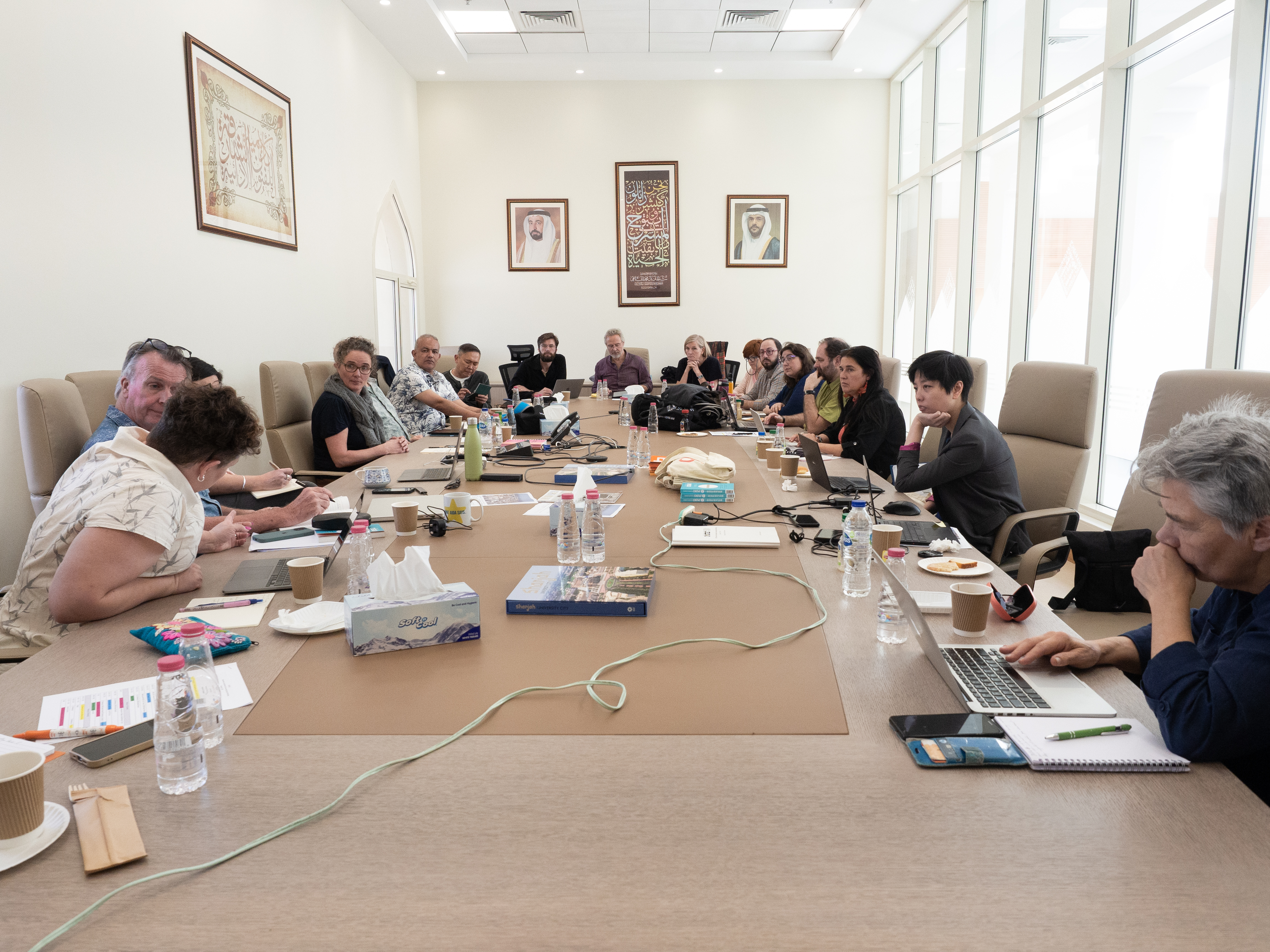
OISTAT was founded in 1968 during the Cold War when the iron curtain separated the world. Its mission to culturally bridge the political divides was particularly vital in that historical context. Today in contemporary Taiwan, however, when the global community has been brought closer than ever through the advancement of the Internet and communication technologies, what else can we expect from an international organization of theatre professionals like OISTAT?
For Wei, it is a poignant reality that the OISTAT headquarters offers a “neutral position” for Taiwanese to express their voices, as mentioned previously, and more importantly, to gain access to international spaces where they are often excluded. This strategic approach echoes the urgent, visionary intentions of pioneering Taiwanese designers and technicians, including Sammy Wang who has passed away recently, to bring the OISTAT headquarters to Taiwan in the first place. Moreover, as an international NGO, OISTAT was naturally under the influence of the shifting global landscape and consequently required immediate and sophisticated management. Ultimately, working in the headquarters has provided a valuable training ground, nurturing a new generation of professionals in cultural diplomacy.
Cultural Work is to Make Waves to Move People Forward
When asked about the next five years for the OISTAT headquarters, Wei envisioned establishing a “Taiwan Model” for other “minor powers.” The Taiwanese experiences of the OISTAT headquarters cannot be evaluated through singular projects or events, since they focus more on the leverage strategy through the strengths of the international organization. Even for marginalized minor powers, they can open up their cultural diplomatic potential by actively engaging in international organizations, integrating international networking into domestic cultural and educational policies. Looking forward, she certainly hoped to see an expanding and deepened commitment from the younger generations of Taiwanese designers and technicians to sustain and carry forward the decades-long relationship between Taiwan and OISTAT.
“Recently, people always think of TSMC when they mention Taiwan, as if microchips have become the sacred mountains to guard our island. But I would argue that cultural work is about ‘making waves.’ People cannot fight waves. As long as we have patience and understand the properties of water well, we can make waves,” says Wei. After all, waves can be the quiet force that moves everyone forward.
>> Read the interview article on PAR in Mandarin